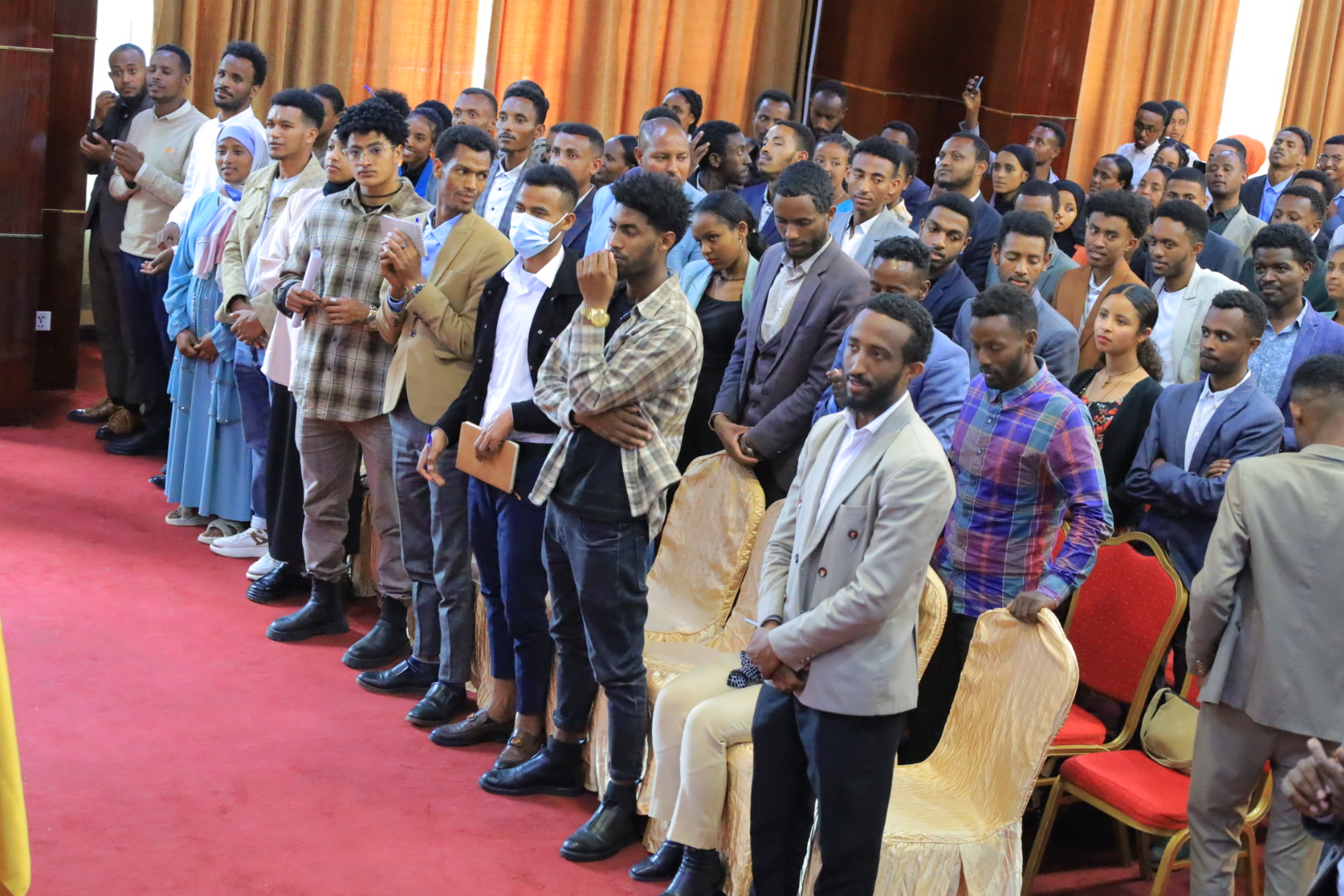
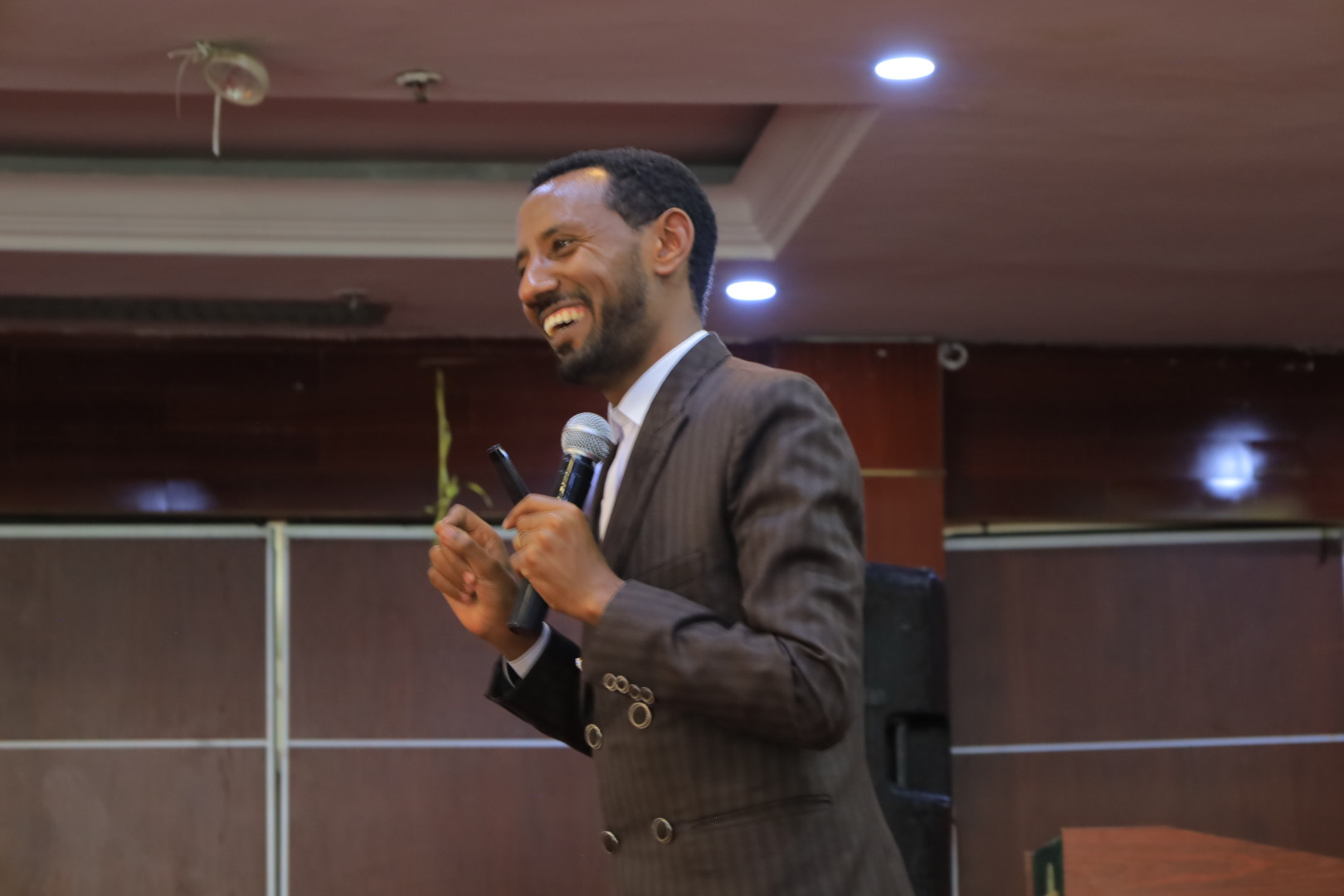
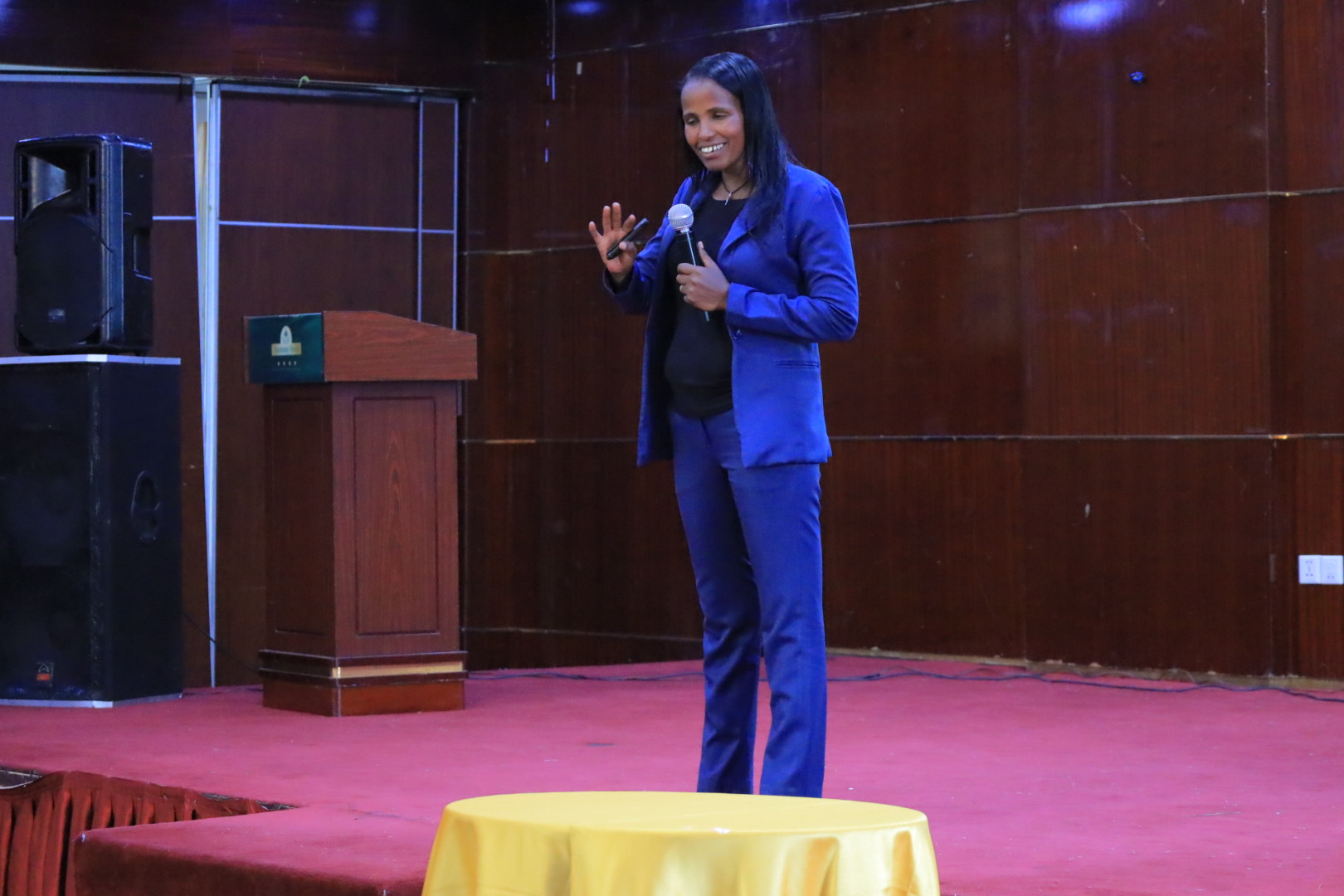
Youth personal development is a vital process that empowers young individuals to realize their potential, build self-confidence, and cultivate essential life skills. This journey focuses on fostering emotional, social, and intellectual growth, equipping youth with the tools they need to navigate the complexities of life.
Key Components:
Self-Awareness: Understanding one’s strengths, weaknesses, values, and beliefs is fundamental. Activities such as reflection, journaling, and feedback from peers help youth gain clarity about their identities.
Goal Setting: Encouraging young people to set realistic, achievable goals fosters motivation and a sense of direction. Learning to create short-term and long-term goals helps them envision their future and work systematically towards achieving it.
Emotional Intelligence: Developing emotional intelligence is crucial for managing emotions and building healthy relationships. Programs that teach empathy, communication, and conflict resolution skills empower youth to interact positively with others.
Critical Thinking: Encouraging analytical thinking and problem-solving skills prepares youth to tackle challenges effectively. Engaging in discussions, debates, and creative projects stimulates their ability to think critically and make informed decisions.
Life Skills: Practical skills such as time management, financial literacy, and effective communication are essential for independence. Workshops and hands-on experiences provide youth with the knowledge they need to thrive in everyday life.
Resilience: Building resilience helps youth cope with setbacks and challenges. Teaching them strategies to bounce back from adversity fosters a growth mindset and encourages perseverance.
Community Engagement: Involvement in community service and extracurricular activities fosters a sense of belonging and responsibility. Engaging with diverse groups enhances social skills and broadens perspectives.